To initiate a youtube video takedown dmca, creators must submit a formal copyright removal request through YouTube Studio or via email, fax, or mail. This legal process requires providing direct URLs to the infringing content and certifying ownership of the original material to ensure unauthorized videos are removed.
Watching your proprietary video content accumulate thousands of views on a pirate channel is more than a minor annoyance; it is a direct assault on your digital revenue and brand equity. When unauthorized uploads go unchecked, they dilute your search engine optimization efforts and divert traffic away from your official assets. Simply reporting a video is often insufficient. You must navigate the specific legal nuances of the Digital Millennium Copyright Act to ensure your intellectual property is permanently protected rather than caught in a cycle of counter-claims. This guide provides a definitive roadmap for executing a successful YouTube video takedown. We examine the critical distinction between claims and strikes, the exact legal requirements for a valid notice, and the strategic advantages of immediate removal versus the seven day grace period. By the end, you will understand how to reclaim your digital territory with professional precision.
Understanding the Impact of Content Theft on YouTube
Digital video content is a high-value asset for creators and businesses in New Delhi and across the global market. When intellectual property is stolen, the consequences extend far beyond simple view counts. For a business, piracy represents a direct hit to the bottom line, siphoning off ad revenue and devaluing premium sponsorships. Furthermore, unauthorized re-uploads often appear in low resolution or alongside inappropriate content, causing significant damage to brand reputation and trust.
Navigating the world of copyright requires a clear understanding of the threat level. There is a vast difference between a fan sharing a short, transformative clip and a professional pirate who systematically re-uploads entire videos to profit from your hard work. The latter often operates networks of channels designed specifically to scrape and monetize stolen assets. While YouTube provides native tools for a youtube video takedown dmca process, the sheer volume of infringements often makes manual monitoring unsustainable for growing brands.
Professional pirates use automated scripts to mirror content across multiple channels, creating a high-frequency infringement cycle that basic dashboard checks cannot solve. Implementing professional anti-piracy measures is essential to ensure that your intellectual property remains protected at scale, preventing bad actors from capitalizing on your creative investment. If you are currently facing a wave of unauthorized re-uploads, you may need to contact our cybersecurity experts to discuss a more robust enforcement strategy.
Copyright Claim versus Copyright Strike: What You Need to Know
Navigating the enforcement landscape requires a precise understanding of YouTube’s internal mechanisms. Many rights holders mistakenly use these terms interchangeably, yet a claim and a strike trigger entirely different protocols for the uploader and the intellectual property owner. Distinguishing between them is essential for any brand executing a digital asset protection strategy.
Feature | Copyright Claim (Content ID) | Copyright Strike (DMCA) |
|---|---|---|
Detection Method | Automated system scan | Manual legal request |
Video Status | Usually stays live | Removed immediately |
Monetization | Often diverted to rights holder | Disabled |
Account Penalty | None | One strike added to channel |
A copyright claim is typically generated by YouTube’s automated Content ID system. When a match is found, the copyright holder can choose to monitor the analytics, block the video in specific territories, or, most commonly, monetize the video by running ads on it. A claim does not negatively impact the channel’s standing or its ability to upload further content.
Conversely, a copyright strike is the direct result of a formal youtube video takedown dmca request. This is a legal notification sent by a rights holder demanding the removal of infringing content. Unlike a claim, a strike carries severe penalties. A single strike limits certain channel features; however, the three strike rule remains the ultimate deterrent. If a channel receives three strikes within a 90 day period, YouTube will permanently terminate the account, delete all uploaded videos, and prohibit the user from creating new channels.
For those questioning how to remove 3 copyright strikes on YouTube, the reality is stark. Once a channel reaches this threshold, termination is generally final unless the uploader can prove a mistake through a legal counter-notification or secure a formal retraction from the original claimant. Because the legal stakes are so high, New Delhi businesses must ensure their YouTube Takedown services are handled with precision to avoid procedural errors or malicious counter-claims.
Step by Step Guide to a YouTube Copyright Removal Request
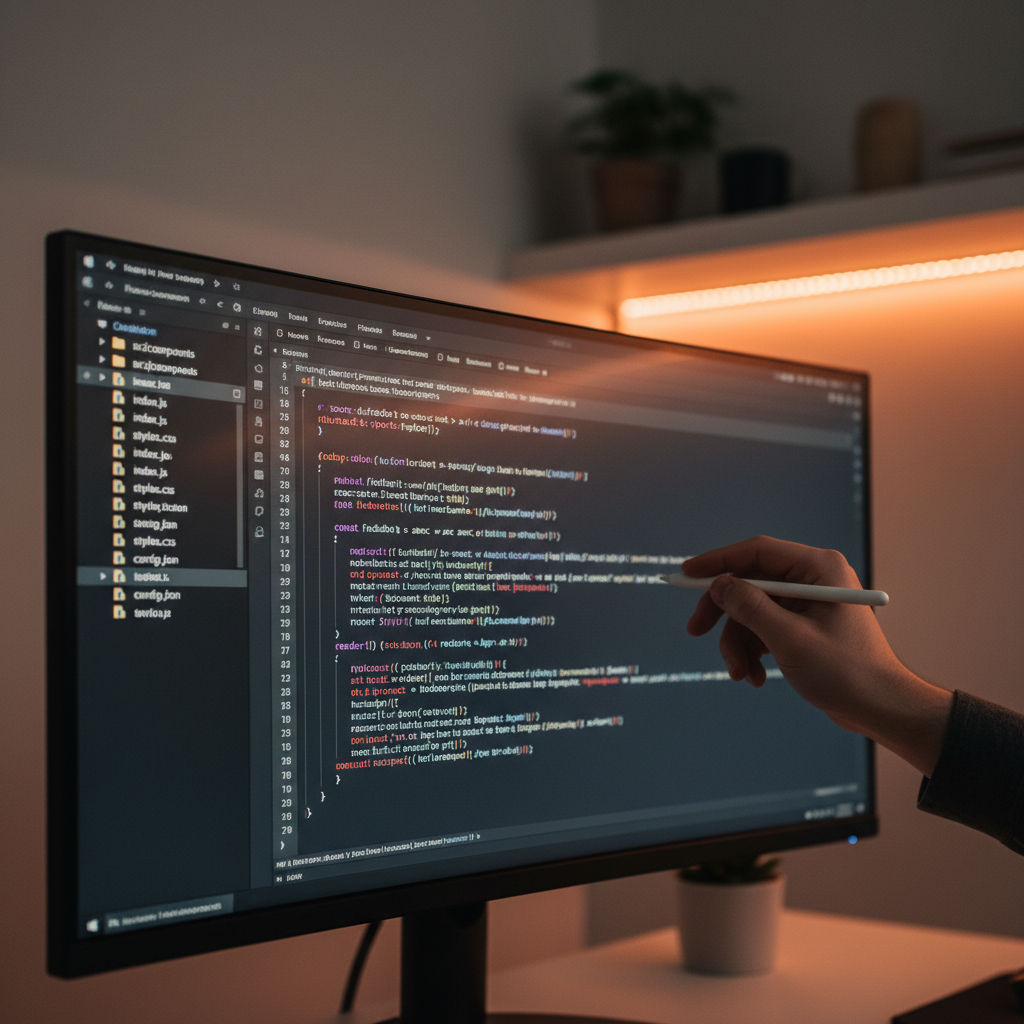
Executing a youtube video takedown dmca via the official YouTube Studio interface is the most direct way to enforce your intellectual property rights. To begin, log in to your YouTube Studio dashboard and navigate to the Copyright tab in the left hand menu. From there, you can review potential infringements caught by the system under the Matches sub tab, or click New Removal Request to report a specific video that was not automatically flagged.
The process requires precise data entry to satisfy legal and technical requirements. When adding a video for removal, you must provide specific details in the 'Videos requested for removal' section:
Work Type: Define if the original work is a video, song, artwork, or software.
Original URL: The link to your legitimate, source content.
Infringing URL: The exact link to the stolen content. YouTube requires the full URL format (e.g., https://www.youtube.com/watch?v=xxxx) to process the request accurately.
One of the most critical steps, often overlooked by non professional users, is found in the Removal Options section. Beyond choosing between a 7 day scheduled removal or an immediate takedown, you must check the box for 'Prevent copies of these videos from reappearing on YouTube.' This triggers a fingerprinting mechanism that blocks other users from re-uploading the same file in the future. For New Delhi businesses managing large digital libraries, this proactive step is vital for effective professional anti-piracy measures.
Finally, you must complete the legal agreements, including your full legal name as a digital signature. Inaccurate or incomplete information here can lead to the rejection of your request or legal complications. If your channel is dealing with a high volume of persistent re-uploads, manual entry for every link can become a bottleneck. In such cases, engaging YouTube Takedown services ensures that your enforcement strategy is both legally sound and technically thorough.
Legal Requirements for a Valid DMCA Takedown Notice

A formal youtube video takedown dmca is not merely a platform complaint; it is a legal document governed by the Digital Millennium Copyright Act. To ensure compliance and validity, your submission must contain four non-negotiable elements. First, you must provide comprehensive contact information, including your full legal name, physical address, and telephone number. Second, you must clearly describe the copyrighted work you are protecting. Third, you must provide the specific URLs of the infringing videos, as generic channel links are insufficient for processing.
The final pillar consists of two mandatory legal declarations. You must state that you have a "good faith belief" that the use of the material is not authorized by the copyright owner, its agent, or the law. Furthermore, you must attest, under penalty of perjury, that the information in your notice is accurate and that you are authorized to act on behalf of the owner.
Filing a false or malicious takedown carries significant legal risk, including potential liability for damages and attorney fees under Section 512(f) of the DMCA. New Delhi businesses must treat these submissions with the same gravity as a court filing. For organizations requiring precision in these filings, utilizing YouTube Takedown services ensures that every notice meets these stringent legal standards while protecting the sender from procedural blowback or counter-claims.
Choosing Your Removal Strategy: 7 Day Notice or Immediate Takedown
Selecting the appropriate timeline for a youtube video takedown dmca is a strategic decision that depends entirely on the nature of the infringer. YouTube offers two primary speeds for enforcement: the 7 day scheduled notice and the standard immediate request.
Option | Action | Strike Consequence | Ideal Use Case |
|---|---|---|---|
Scheduled: 7-Day Notice | Uploader gets 7 days to remove the video. | No strike if deleted by uploader. | Fan content, tributes, or minor fair use errors. |
Standard: Immediate | Video is removed once the request is validated. | Uploader receives a copyright strike. | Blatant piracy, full movie uploads, or commercial scrapers. |
The 7 day notice is an effective tool for managing creators who may have misinterpreted fair use. If they comply, they avoid a copyright strike, preserving a positive relationship between the brand and the community. This approach is often favored by New Delhi firms who want to protect assets without appearing overly litigious toward their audience.
For blatant piracy or commercial re-uploads, the standard request is necessary. This triggers immediate removal, which is critical when dealing with professional pirates who seek to siphon revenue. Deciding which path to take requires nuanced judgment. For organizations managing large scale infringements, YouTube Takedown services provide the oversight needed to apply these professional anti-piracy measures effectively.
How to Remove a Copyright Claim from Your Own YouTube Video
Protecting your assets often involves understanding the defense side of the ecosystem. If your channel receives a Content ID claim, you have several practical options to resolve it without facing the penalties of a formal youtube video takedown dmca. The most direct method is the YouTube Studio dispute process. This is appropriate if you hold a valid license, the use qualifies as fair use under applicable law, or the system misidentified your original work.
For creators who acknowledge the presence of third party material but wish to keep their video live, YouTube offers automated editing tools. You can select 'Trim out segment' to remove the specific timestamped portion flagged by the claimant. Alternatively, the 'Replace Song' feature allows you to swap copyrighted audio with a track from the YouTube Audio Library, which automatically releases the claim. If you believe a claim was filed maliciously or involves complex licensing disputes, contact our cybersecurity experts to evaluate your legal standing. Understanding these nuances is a key component of professional anti-piracy measures, ensuring your legitimate content remains monetized and accessible.
Why Global Creators and New Delhi Businesses Trust Professional Anti-Piracy Agencies

Manual monitoring of YouTube is often a losing game for established creators and New Delhi enterprises. While the platform’s native tools allow for individual reports, professional pirates operate at a scale that exceeds human oversight. A single successful youtube video takedown dmca often triggers the whack-a-mole effect, where one removed video is instantly replaced by multiple new uploads across different burner accounts. This cycle drains internal resources and fails to address the systematic nature of digital theft.
Trusting professional anti-piracy measures allows brands to shift from reactive reporting to proactive protection. THEANTIPIRACY.COM utilizes advanced fingerprinting and automated crawling technology to scan not only YouTube but also social media platforms, rogue streaming sites, and file sharing networks simultaneously. This holistic approach ensures that stolen assets are identified before they gain viral traction or divert significant revenue. For businesses requiring high volume enforcement and long term intellectual property security, specialized YouTube Takedown services provide the technical infrastructure necessary to maintain brand integrity. If manual reporting is no longer sufficient to protect your digital library, you should contact our cybersecurity experts to develop a scalable defense strategy.